Why Dalefoot
Site context.
- Location~3 miles south of Kirkby Stephen, Cumbria — Yorkshire Dales Local Planning Authority, Westmoreland district
- National Character Area17 — Orton Fells (North West)
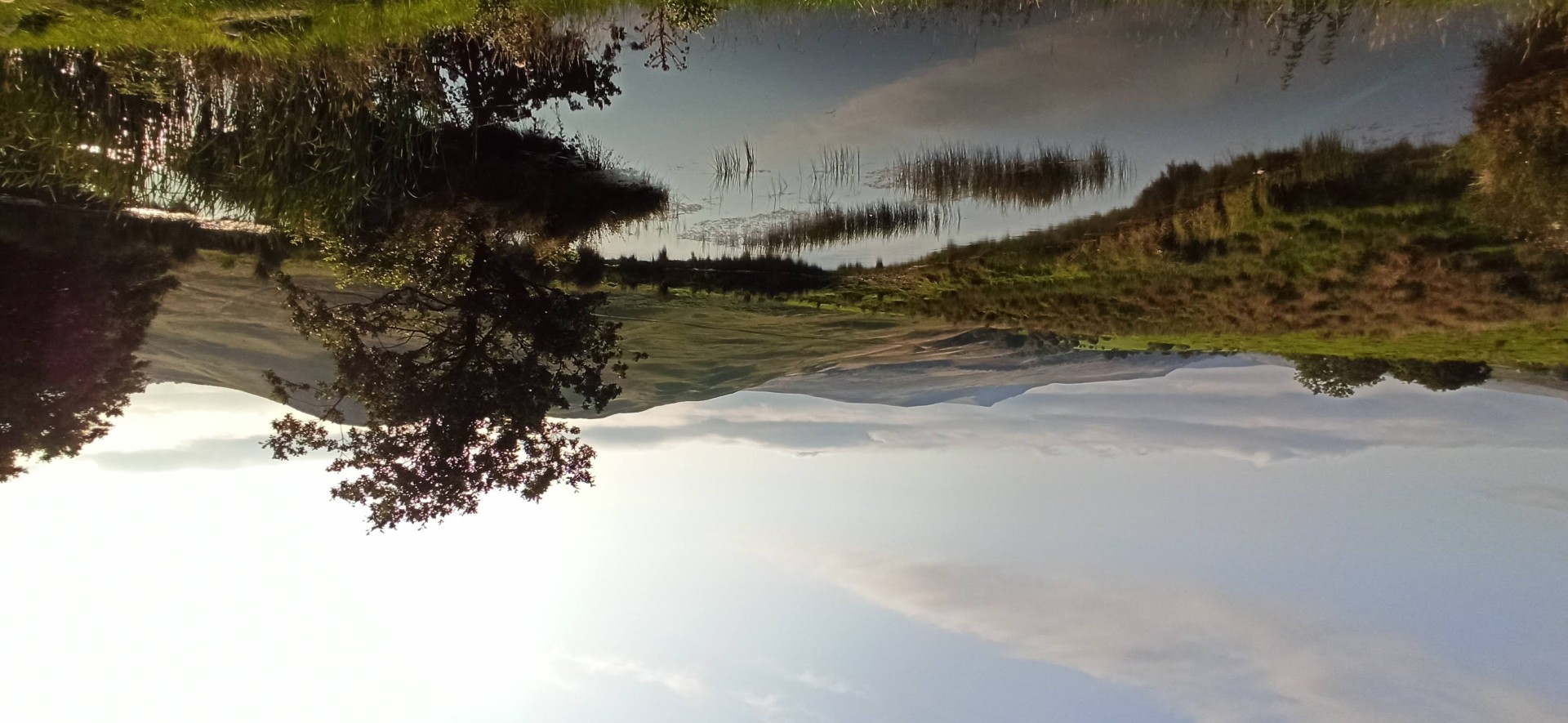
- Settingpredominantly upland agricultural landscape — improved grassland enclosed by native hedgerows, dry-stone walls and lines of trees, with several watercourses and two ponds on site
- [Situated within Cumbria's Local Nature Recovery Strategy area — wording pending confirmation from our ecologist]
Units available
Indicative habitat units.
Additional units from hedgerow and watercourse enhancement may become available following further survey work — enquire for the latest position.
| Habitat type | Distinctiveness | Net units generated | Status |
|---|---|---|---|
| Other neutral grassland | Medium | 50.83 | Available |
| Other lowland acid grassland | Medium | 30.61 | Available |
| Upland acid grassland | Medium | 20.64 | Available |
| Other woodland; broadleaved | Medium | 12.81 | Available |
| Mixed scrub (created) | Medium | 3.83 | Available |
| Fens (upland and lowland) | Very High | 1.65 | Available |
| Upland mixed ashwoods | High | 0.53 | Available |
| Lowland meadows | Very High | 0.46 | Available |
| Total | Up to 121.36 |
Our approach
Habitat work matched to the land.
Enhancing existing grassland and woodland.
Large areas of acid grassland, neutral grassland and broadleaved woodland currently in poor-to-moderate condition are being managed up to good condition — improving structure, species diversity, and hydrological function across the site.
Creating new scrub habitat.
Areas of bracken and tall forbs are being converted to mixed native scrub, strengthening ecological connectivity across the farm and providing foraging and nesting habitat that links up the site's existing grassland, woodland and wetland features.
All proposed habitats reflect the site's underlying soil conditions — predominantly acidic, wet, and peat-influenced — so interventions are targeted at habitat types genuinely suited to the land, rather than the highest-scoring option on paper.
Legal security
Delivery over the full term.
- Habitat delivery is secured through a conservation covenant for a minimum of 30 years
- Delivery is guided by a Habitat Management and Monitoring Plan (HMMP), reviewed regularly against on-the-ground evidence
- Habitat surveys and condition assessments are carried out by CIEEM-affiliated ecologists using the UK Habitat Classification and the Statutory Biodiversity Metric
How to buy units
A four-step process.
-
1
Enquire
Tell us your development's Local Planning Authority and the habitat type/units you need.
-
2
Reserve
We confirm availability and hold units against your development.
-
3
Legal agreement
Units are allocated to your development and registered on the biodiversity gain sites register.
-
4
Ongoing management
Habitat is delivered and monitored under the HMMP for the life of the agreement.
This page summarises findings from a Biodiversity Net Gain Opportunity Assessment prepared for Dalefoot Farm. Figures are indicative and subject to change following final metric verification, ecological monitoring, and agreement of terms. Dalefoot Habitat Bank does not guarantee unit availability until a reservation is confirmed in writing.
Read how to buy BNG units or enquire about unit availability for your development.