The land
Working with the grain of the site.
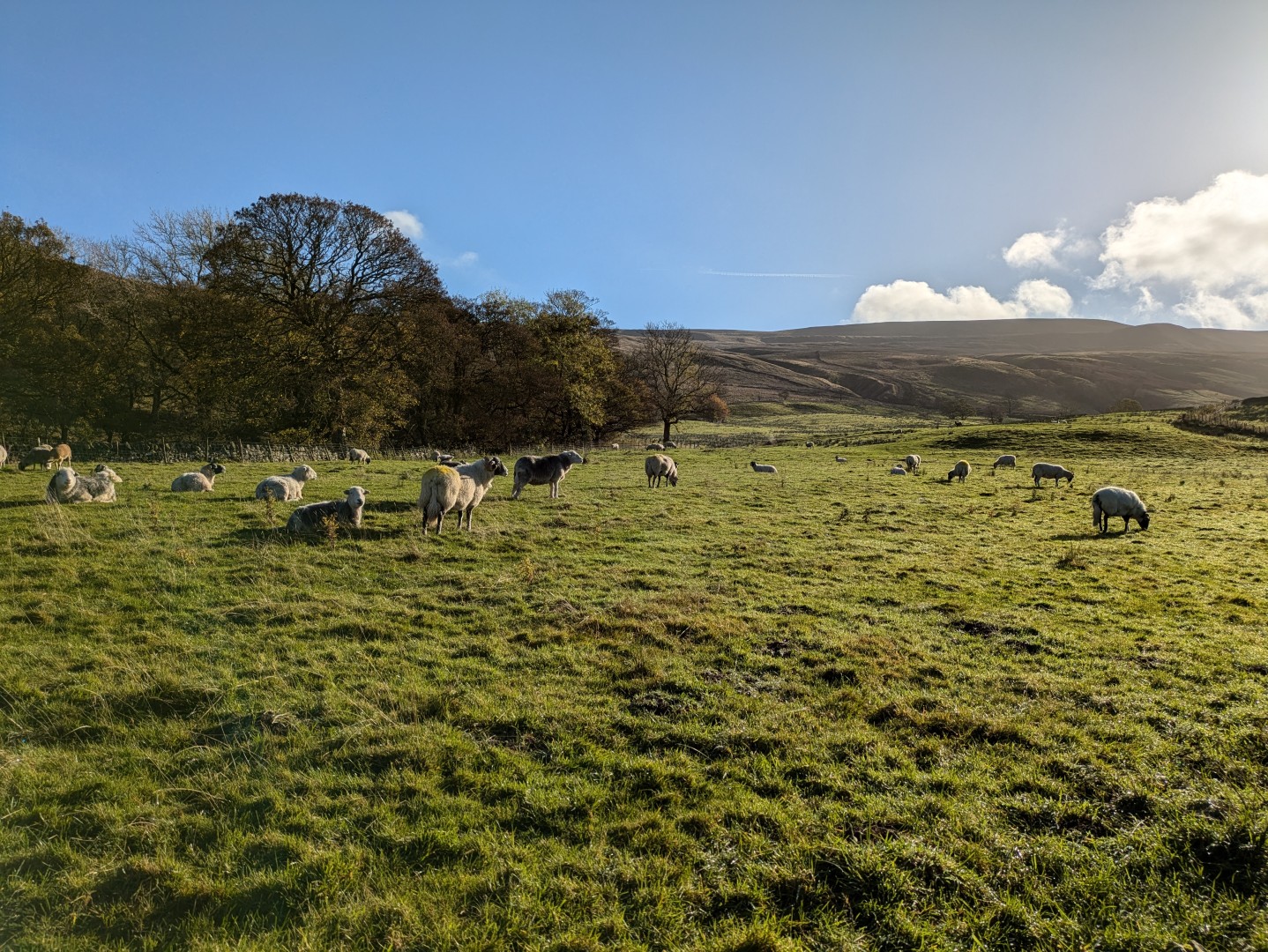
The farm contains improved grassland bounded by native hedgerows, dry-stone walls and lines of trees. Watercourses and ponds add to a varied landscape shaped by upland farming and the site’s underlying acidic, wet and peat-influenced soils.
The proposed habitat work is not a generic planting exercise. It is focused on habitats that suit those conditions: grassland, broadleaved woodland, wetland features and native scrub. The intention is to improve ecological condition and connectivity while keeping the land’s character legible.
The transition
A careful, accountable change in land use.
Habitat creation and enhancement need a long view. Dalefoot’s approach is to establish a management framework, monitor it against evidence and secure delivery for the term required by the relevant legal agreement.
For buyers, that means the habitat proposition is supported by site survey, ecological input and a Habitat Management and Monitoring Plan rather than a promise made at point of sale.
See the indicative BNG habitat units and how the buying process works.
People and oversight
Farm knowledge and ecological evidence.
Land management is coordinated by the farm team.
Ecological work is led by Collington Winter Environmental Ltd.
Qualified ecologists guide habitat survey, condition assessment and management planning. The farm team provides the local knowledge and practical land management needed to deliver the work over time.
Start with the site